Hull Insurance vs. Liability: Protecting Expensive Drone Payloads and Cameras
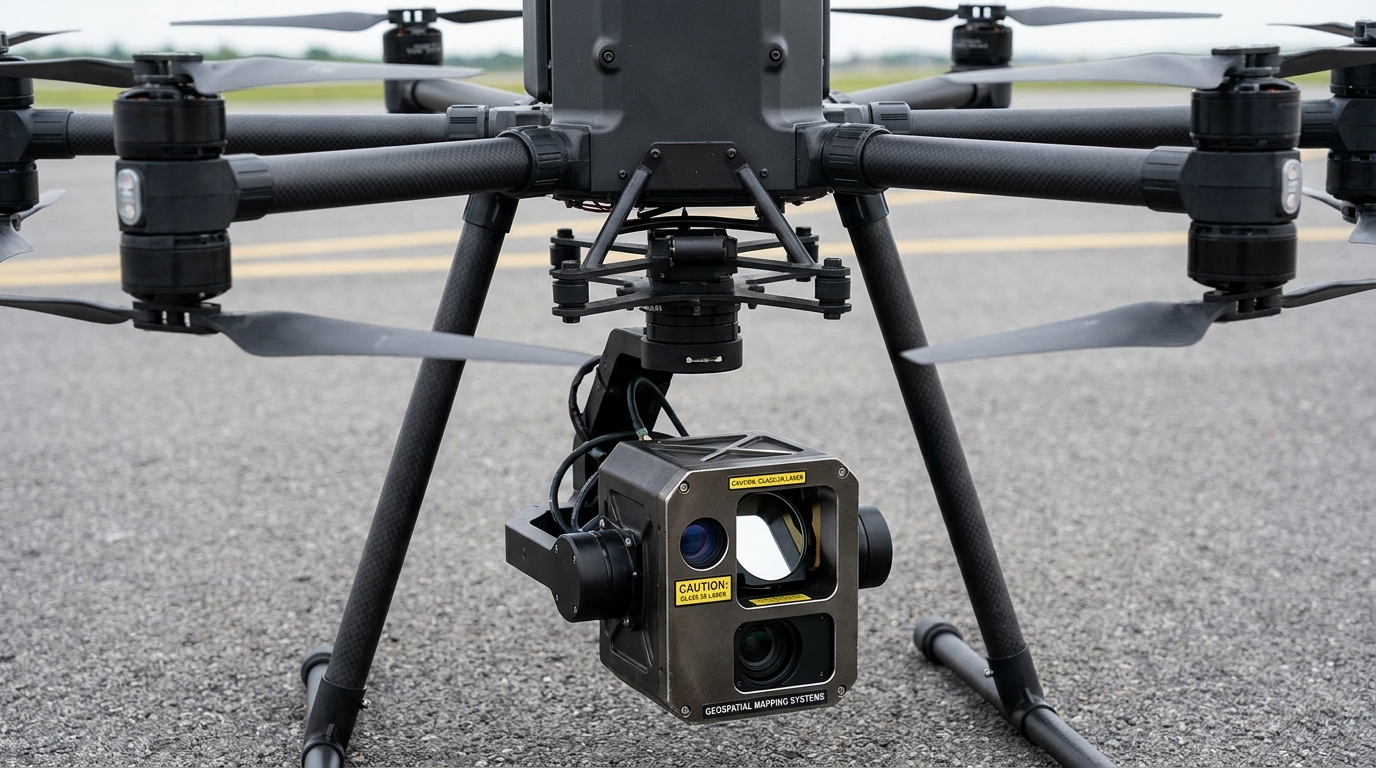
As an Aviation Equipment Underwriter and Surveying Professional, I review dozens of commercial drone accident claims every month. In 2026, the Unmanned Aerial Vehicle (UAV) industry has moved far beyond basic aerial photography. Today, commercial operators are flying DJI Inspire 3s on Hollywood film sets and deploying heavy-lift enterprise rigs equipped with LiDAR scanners for civil engineering surveys.
However, as the technology has advanced, so has the financial exposure. A recurring nightmare I witness is a pilot experiencing a catastrophic flyaway, recovering a shattered $40,000 rig, and discovering their insurance policy will not pay them a single dime. Why? Because they misunderstood the critical difference between Third-Party Liability and Hull/Payload Coverage.
To survive in the high-stakes commercial drone industry, you must precisely understand how aviation insurance shields both the public and your own expensive equipment. Here is your definitive guide to structuring a foolproof drone insurance policy.
Third-Party Liability: Protecting the Public
The most common insurance policy purchased by commercial Part 107 pilots is Third-Party Liability. This coverage is designed exclusively to protect the public and your clients from your operational mistakes.
If your drone experiences a sudden motor failure and plummets into a moving vehicle, a residential roof, or tragically strikes a bystander, your liability policy kicks in. It covers bodily injury, third-party property damage, and the exorbitant legal defense fees associated with a lawsuit.
Key characteristics of Liability Coverage:
-
Client Requirement: Almost all corporate clients, construction sites, and film sets require a Certificate of Insurance (COI) proving you carry at least $1 million to $5 million in liability coverage before you can launch.
-
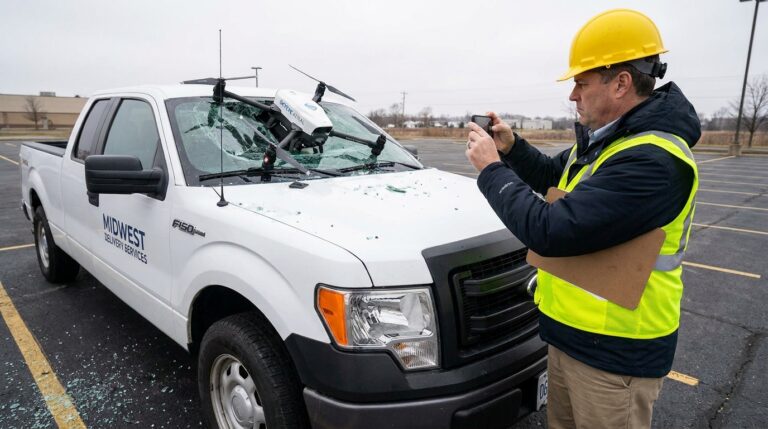
The Crucial Blind Spot: Liability insurance does not cover your drone. If you crash your $15,000 surveying drone into a concrete wall, a liability-only policy will pay to fix the wall, but you will be paying completely out of pocket to replace your destroyed aircraft.
Hull Insurance: Shielding the Airframe
To protect your own equipment from physical damage, you must purchase first party drone damage protection, universally known in aviation as “Hull Insurance.”
Hull insurance covers the actual aircraft—the frame, motors, internal flight controllers, and standard integrated gimbals—if it crashes, catches fire, suffers water damage, or is stolen. For premium enterprise drones like the DJI Matrice series or the Freefly Alta X, hull coverage is a non-negotiable operational expense.
Underwriters generally price drone hull insurance as a percentage of the aircraft’s declared value. In 2026, you can expect annual hull premiums to range between 8% and 12% of the drone’s value. For example, insuring an airframe valued at $10,000 will typically cost around $800 to $1,200 annually.
Payload Coverage: The True Financial Exposure
Here is the trap that catches even veteran operators: Hull insurance rarely covers specialized attachments. In the modern surveying and cinema sectors, the payload routinely costs significantly more than the drone carrying it.
Consider a commercial surveying operation. The drone airframe might cost $10,000, but the attached high-density LiDAR scanner and RTK (Real-Time Kinematic) sensors can easily cost $30,000. Similarly, when insuring cinematic drone equipment, a heavy-lift drone carrying a RED V-Raptor camera and cinema glass represents upwards of $50,000 flying through the sky.
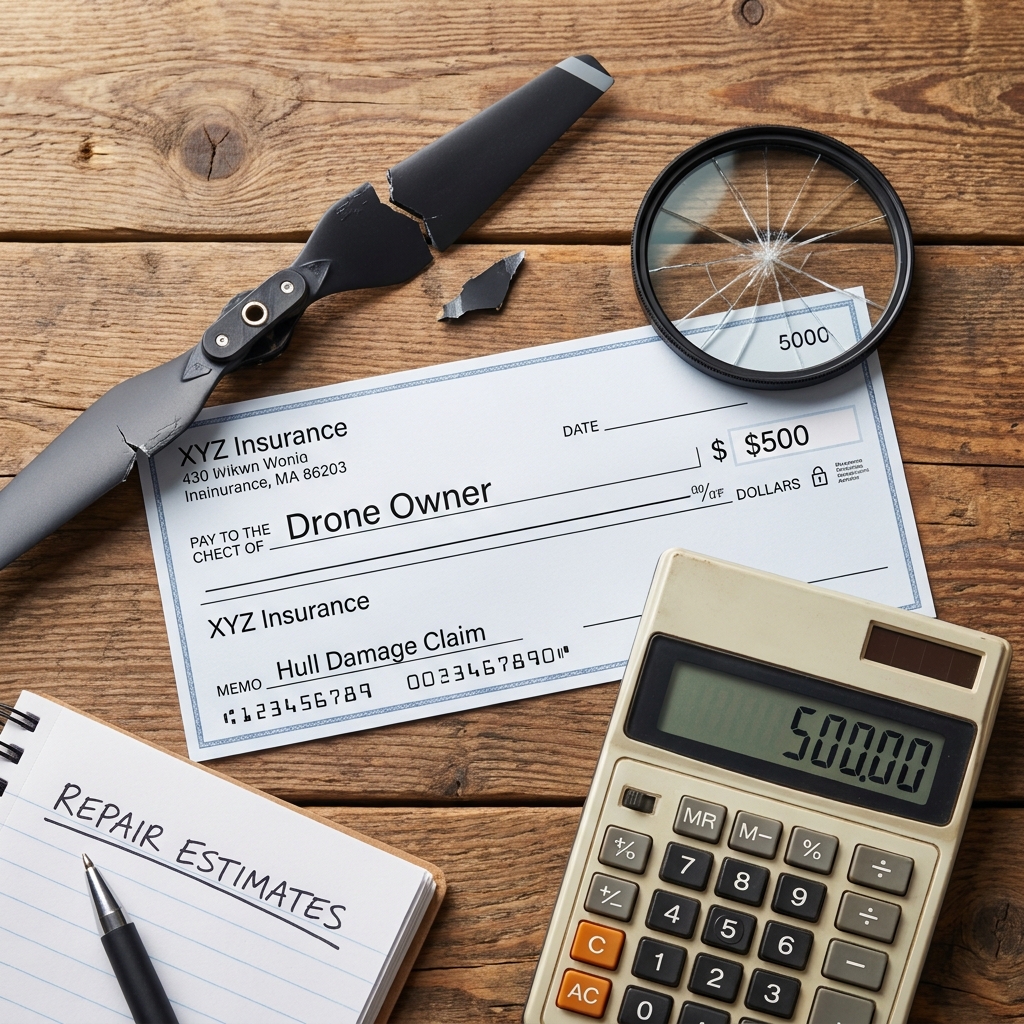
If that rig crashes and you only have standard hull insurance, the underwriter will only cut a check for the $10,000 drone frame. To protect the camera, you must secure dedicated Lidar payload insurance coverage or specialized cinema equipment riders.
How to Insure Payloads Properly:
-
Schedule Your Gear: You must provide your underwriter with an itemized “scheduled” list of every piece of equipment, including serial numbers and purchase invoices.
-
Ground Station Add-Ons: Do not forget the gear on the ground. Base stations, specialized remote controllers, and field laptops must be specifically added to your policy if you want them protected from theft or job site damage.
The Math of a Total Loss: Deductibles and Depreciation
If your dji inspire 3 insurance policy is triggered by a crash, you will not simply receive a blank check for a brand-new system. As an underwriter, I evaluate claims based on the policy’s valuation structure—either “Agreed Value” or “Actual Cash Value” (ACV)—minus your deductible.
Most commercial drone policies feature a percentage-based deductible, typically 5% to 10% of the insured value. Furthermore, if your policy is written on an ACV basis, the payout is heavily subjected to depreciation. Drones are flying computers, and their market value depreciates rapidly year over year.
To understand exactly how a total loss payout is calculated, consider the following actuarial breakdown. Suppose you crash a drone and LiDAR payload originally valued at $35,000. Your policy carries a 5% deductible and the adjuster determines a 15% depreciation factor due to the equipment’s age.
First, we calculate the depreciated value of the payload and airframe: $$ V_d = V_0 – (V_0 \times r) $$ $$ V_d = $35,000 – ($35,000 \times 0.15) $$ $$ V_d = $35,000 – $5,250 = $29,750 $$
Next, we calculate the financial responsibility of the pilot (the deductible), which is based on the original insured value: $$ \text{Deductible} = V_0 \times 0.05 $$ $$ \text{Deductible} = $35,000 \times 0.05 = $1,750 $$
Finally, the underwriter calculates the net payout by subtracting the deductible from the depreciated value: $$ \text{Net Payout} = V_d – \text{Deductible} $$ $$ \text{Net Payout} = $29,750 – $1,750 = $28,000 $$
In this scenario, a $35,000 crash results in a $28,000 check from the insurance company. While you still absorb $7,000 in depreciation and deductibles, the policy successfully saves your business from absorbing a catastrophic $35,000 loss.
Structuring a Resilient Policy
Flying expensive sensors and cinema cameras through complex environments is inherently risky. To protect your commercial enterprise, you cannot rely on a basic liability policy. You must rigorously schedule your payloads, understand your deductibles, and ensure your hull coverage accurately reflects the current market value of your rig. Sit down with an aviation broker, transparently disclose what you are flying, and build a comprehensive policy that keeps your business airborne even when gravity wins.
Financial Disclaimer: The information provided in this article is for educational and informational purposes only and does not constitute formal legal, financial, or insurance advice. Aviation regulations and insurance underwriting requirements are subject to change. Always consult with a licensed aviation insurance broker to discuss the specific legal, liability, and physical damage coverage needs of your commercial drone operations.