FAA Part 107 Drone Insurance Requirements: What Pilots Need to Know in 2026

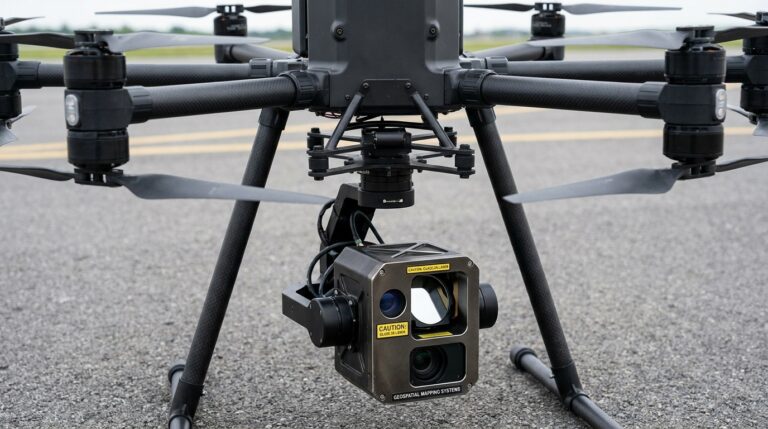
As a Commercial Aviation Insurance Broker and a certified FAA Part 107 Pilot, I spend my days navigating the complex intersection of federal airspace regulations and commercial risk management. In 2026, the drone industry has matured far beyond simple real estate photography. We are now seeing heavy-lift drones operating on massive civil engineering sites, high-speed FPV rigs flying through Hollywood film sets, and LiDAR payloads scanning critical infrastructure.
With this rapid expansion comes a massive influx of questions regarding faa part 107 insurance requirements. New pilots entering the commercial airspace frequently ask me: do commercial drone pilots need insurance just to fly legally?
The short answer often shocks them. But the reality of operating a drone business without coverage is a brutal wake-up call. Here is your definitive guide to understanding the legal and business requirements for commercial drone insurance in 2026, and why carrying the right policy is the absolute lifeblood of your business.
The Biggest Misconception: The FAA’s Stance on Insurance
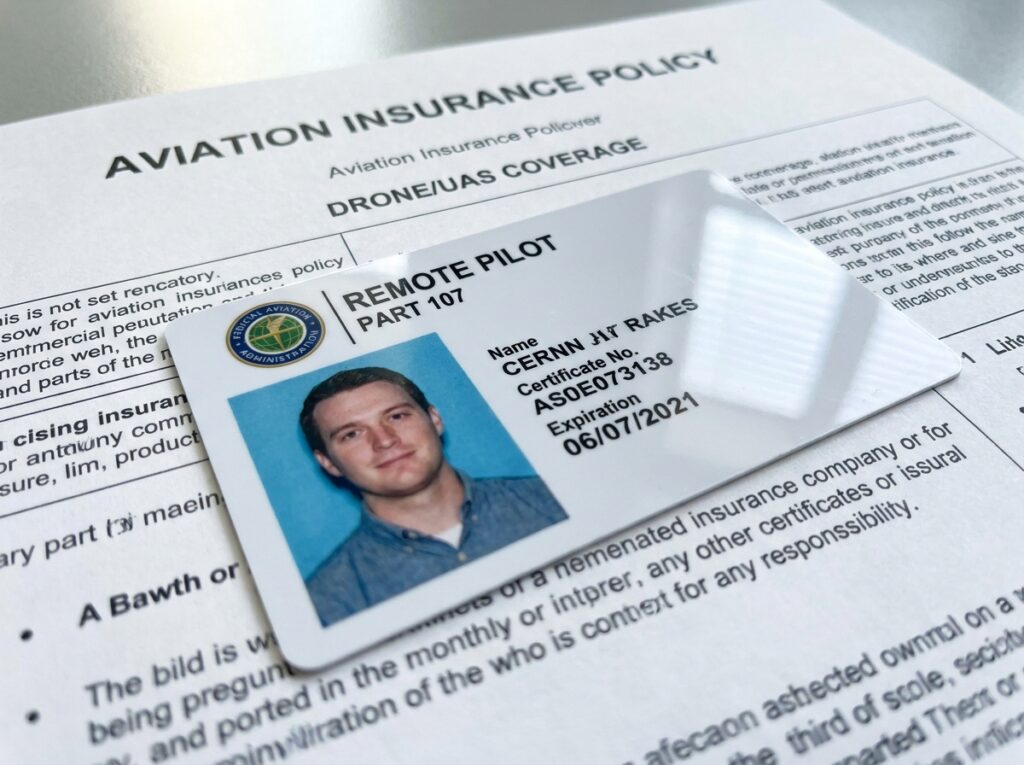
Let’s clear up the biggest industry misconception right now: The Federal Aviation Administration (FAA) does not legally mandate liability insurance to hold a Part 107 Remote Pilot Certificate.
To legally fly a drone for commercial purposes in the United States, the FAA strictly requires you to pass the Part 107 Aeronautical Knowledge Test, register your drone via FAADroneZone, comply with Remote ID broadcasting rules, and adhere to operational limits (like flying under 400 feet and maintaining visual line-of-sight). Notice what is missing from that list? Insurance.
Under federal aviation law, the FAA’s primary directive is the safety of the national airspace, not the financial protection of your business. Because it is not a federal requirement, many new pilots mistakenly believe they can skip purchasing a policy to save on their startup costs. This is a catastrophic miscalculation.
Why Operating Without Insurance is Commercial Suicide
Just because the FAA doesn’t demand insurance doesn’t mean you can operate without it. Flying a commercial drone without an aviation liability policy is commercial suicide.
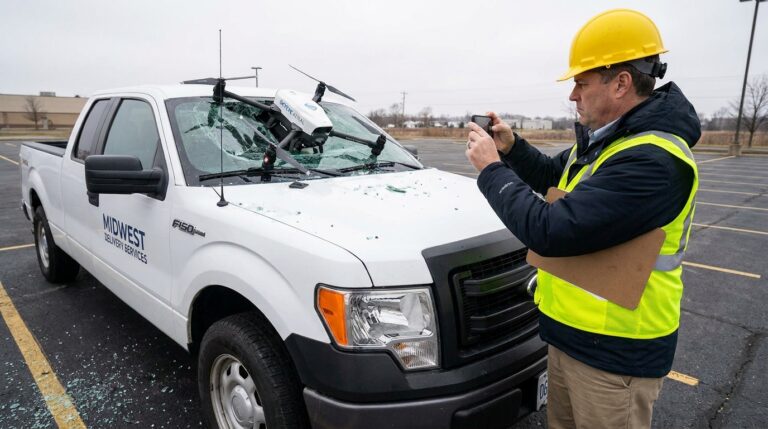
When you launch a five-pound drone carrying a high-definition camera into the sky, you are operating a flying lawnmower over people’s property. Even the most experienced Part 107 pilots experience hardware failures, bird strikes, unexpected wind shear, or sudden signal loss. If your drone crashes into a moving vehicle, a residential roof, or worse, strikes a bystander, the financial liability falls entirely on you.
Many operators mistakenly believe that establishing a Limited Liability Company (LLC) is enough to satisfy their drone business legal requirements and protect their personal assets. While an LLC provides a corporate shield, it does not pay for the damages. If your LLC is sued for a $150,000 property damage claim and you have no insurance, your business will go bankrupt instantly, and a motivated attorney may still attempt to pierce the corporate veil to target your personal assets.
The Ultimate Business Key: The Certificate of Insurance (COI)
If you want to move past doing cheap favors for friends and actually secure high-paying, professional contracts, you must understand the power of the Certificate of Insurance (COI). In the modern commercial landscape, a COI is just as important as your Part 107 license.
Corporate risk managers simply will not let you launch an aircraft on their property without proof of financial responsibility. Here is what you can expect when bidding for serious commercial work:
-
Municipal and State Permits: If you want to fly over a city park, a state-owned bridge, or a public event, local municipalities will universally require a COI.
-
Corporate Real Estate and Construction: Large construction firms require subcontractors to provide a COI naming them as an “Additional Insured”. This legally protects the construction company if your drone causes an accident on their site.
-
Film Sets and Media Productions: Hollywood studios, local television networks, and commercial film directors will ground your operation immediately if you cannot hand their line producer a valid COI before the shoot begins.
For almost all of these scenarios, the baseline industry standard is a 1 million liability drone insurance policy. However, for specialized operations—such as heavy-lift cinema rigs, utility inspections, or flying over high-value infrastructure—clients routinely demand $2,000,000 to $5,000,000 in aviation liability coverage before they sign a contract.
Breaking Down the Commercial UAV Insurance Cost in 2026
One of the main reasons pilots hesitate to get covered is the fear of exorbitant premiums. Fortunately, the commercial uav insurance cost is highly scalable in 2026, with options tailored to everyone from part-time freelancers to massive enterprise fleets.
Aviation policies are generally broken down into two main categories: Liability and Hull.
1. Aviation Liability Coverage (The Non-Negotiable) This covers bodily injury and third-party property damage. If you crash into a client’s building, liability pays for the repairs.
-
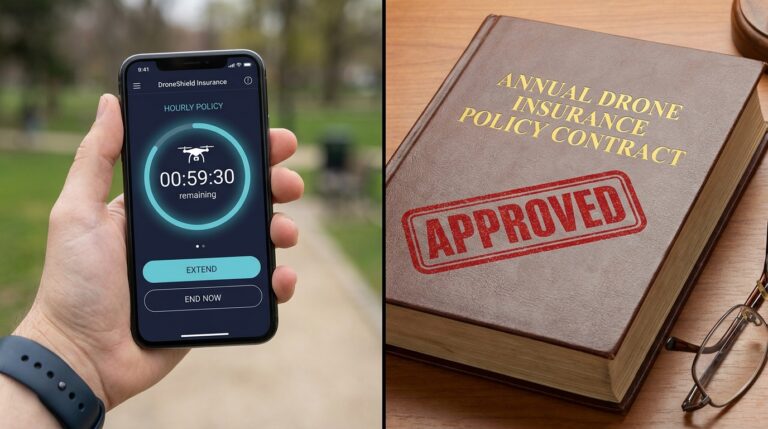
For a standard 1 million liability drone insurance policy, pilots can expect an annual premium ranging from $500 to $800, depending on the operational risk profile and region.
-
If you only fly a few times a month, on-demand or hourly liability policies are available through providers like SkyWatch or AirModo, typically costing around $5 to $15 per hour of flight.
2. Hull and Payload Coverage (The Asset Protection) Liability does not cover the cost of your drone if it crashes. To protect your own equipment, you need Hull coverage. If you are flying a standard DJI Mavic 3, hull insurance might be optional. But if you are flying a flagship enterprise drone carrying a $10,000 LiDAR payload, payload coverage is essential.
-
Hull insurance typically costs between 8% and 12% of the drone’s declared value annually.
-
For example, if you want to insure a $10,000 drone and payload, expect to add roughly $800 to $1,200 to your annual premium.
Protect Your Livelihood
As an insurance broker and a pilot, my advice for 2026 is simple: treat insurance as a fundamental operational expense, not an optional luxury. While the FAA won’t ask for your policy number during a ramp check, your clients absolutely will before they hand you a paycheck.
Do not wait until you are staring at a massive property damage lawsuit or losing a lucrative construction contract to realize the value of coverage. Secure your baseline $1 million liability policy, generate your COIs with confidence, and build a resilient, professional drone business.
Legal Disclaimer: The information provided in this article is for educational and informational purposes only and does not constitute formal legal or financial advice. Aviation regulations and insurance requirements are subject to change. Always consult with a licensed insurance broker and a qualified aviation attorney to discuss the specific legal and coverage needs of your commercial drone operations.