Invasion of Privacy Coverage: The Hidden Risk in Real Estate Drone Photography
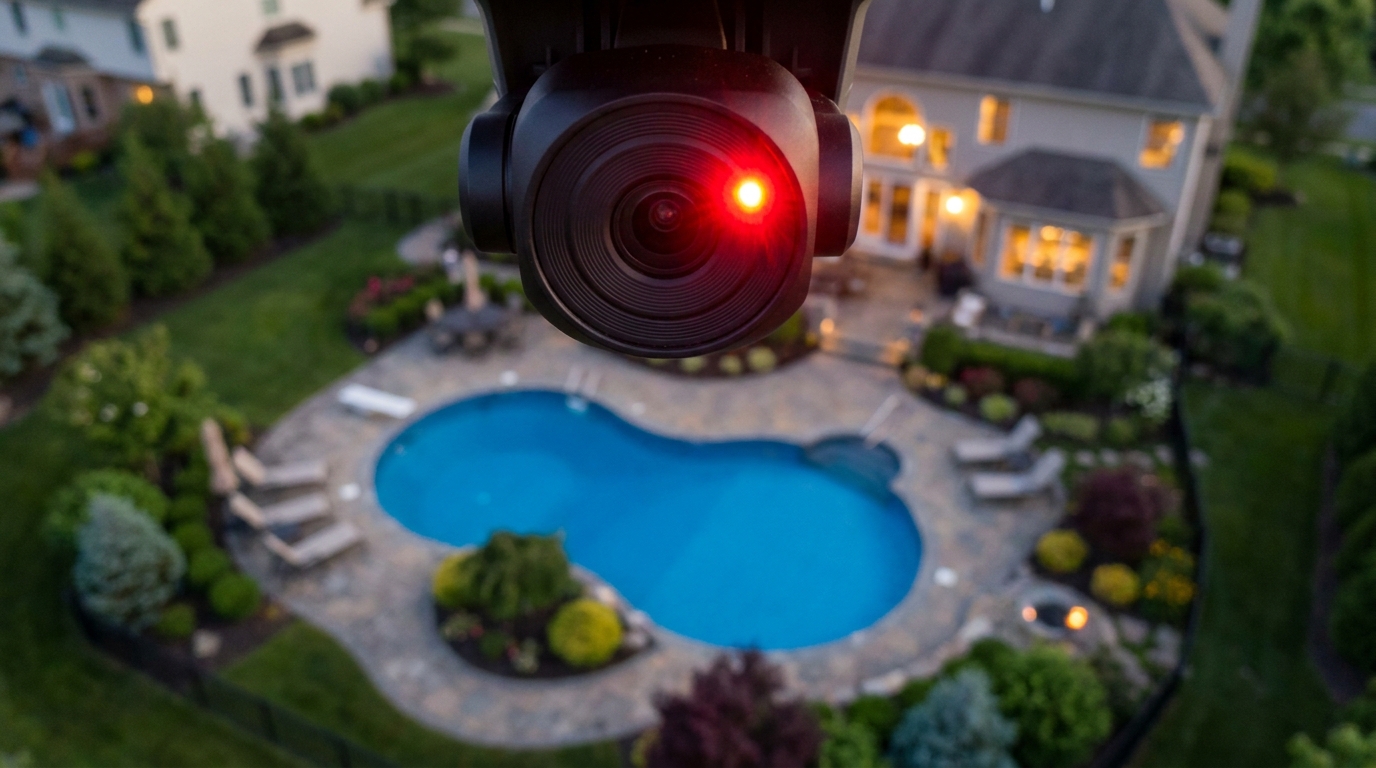
As an Aviation Privacy Attorney and Insurance Specialist, I review dozens of commercial drone claims annually. In 2026, the demand for aerial real estate marketing has never been higher.
However, many commercial pilots operate under a dangerous misconception. They purchase a generic liability policy, assuming their biggest financial risk is experiencing a motor failure and crashing through a client’s skylight. While property damage is a valid concern, the most insidious, hidden risk in the aerial imaging industry has nothing to do with physical crashes.
The true danger lies in what your 4K camera is capturing. If you lack specific coverage for a drone invasion of privacy lawsuit, you are flying entirely unprotected. Here is why real estate aerial photography carries a massive, unique liability exposure, and how proper insurance structures protect your business.
The True Meaning of “Personal Injury” in Insurance
When a new drone pilot looks at an insurance quote, they typically see three distinct categories of liability: Bodily Injury, Property Damage, and Personal Injury.
Most pilots assume “Personal Injury” refers to a physical wound—like a propeller striking a bystander. In the legal and insurance world, this is incorrect. Physical harm is strictly categorized under Bodily Injury.
In commercial insurance, Personal Injury covers non-physical, psychological, and reputational damages. This specific coverage protects your business if you are sued for libel, slander, copyright infringement, or most importantly, invasion of privacy.
When purchasing real estate drone photography insurance, ensuring Personal Injury is explicitly included in your policy is non-negotiable. Without it, you have zero financial protection against the most common legal threats originating from aerial surveillance.
The Real Estate Trap: Wealthy Neighborhoods and Nuisance Lawsuits
Why is real estate photography so exposed to privacy claims? The answer lies in the geometry of aerial filming and homeowner expectations.
Imagine shooting a luxury listing. To capture an establishing video of the property line, you ascend to 200 feet and pan your camera. While your primary subject is the listing, your wide-angle lens inevitably captures adjacent properties. You inadvertently film a neighbor’s enclosed backyard, pool area, or second-story windows.
When you hand that footage over to the brokerage and they publish it, you have publicly broadcasted a neighbor’s private sanctuary.
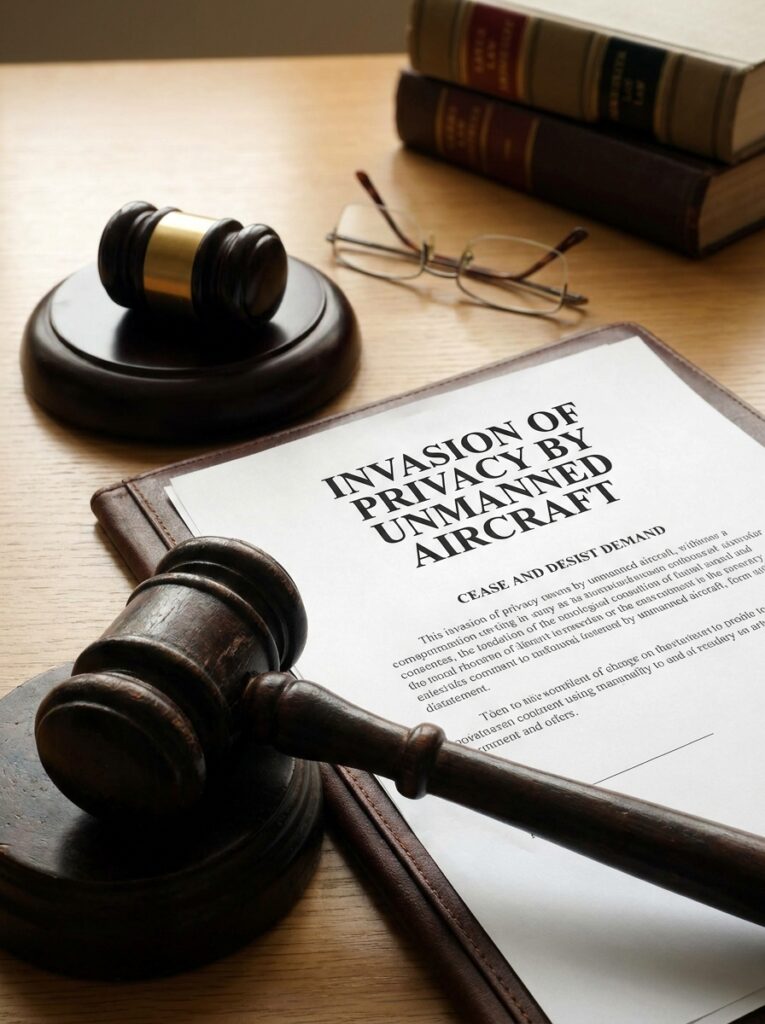
Wealthy homeowners fiercely protect their privacy and frequently have aggressive legal counsel. If a neighbor feels violated, they will file a drone invasion of privacy lawsuit against you and the brokerage.
Furthermore, you can face severe drone trespassing liability. Neighbors can file civil suits claiming “trespass to airspace” or “private nuisance,” arguing the persistent hovering interfered with the quiet enjoyment of their land. Defending against these claims requires thousands of dollars in legal fees—costs an unprotected pilot pays out of pocket.
Why Your Standard General Liability (GL) Policy Will Fail You
The most catastrophic mistake operators make is relying on a standard commercial General Liability (GL) policy. Many pilots buy a cheap GL policy, assuming it covers their drone as simply another tool in their camera bag.
This is a fatal error. Virtually all standard business GL policies contain a strict “Aviation Exclusion” clause. Because drones are classified by the FAA as aircraft, standard policies completely exclude any liability arising from their use.
Even if a basic policy covers physical property damage, underwriters almost universally exclude privacy claims resulting from aerial data collection. You must purchase a specialized UAV policy that explicitly lists privacy and personal injury coverage drone as covered perils.
Protecting Your Drone Business from Lawsuits
Protecting drone business from lawsuits requires treating risk management with the same precision as your flight checklists. Before accepting your next high-end real estate contract, implement these legal safeguards:
-
Verify Personal Injury Coverage: Pull your current policy declarations page today. Ensure “Personal Injury” or “Invasion of Privacy” is listed as a covered liability. If missing, contact an aviation broker to add an endorsement.
-
Secure Minimum $1M Limits: Real estate brokerages are aware of their vicarious liability. If you trigger a lawsuit, the homeowner will sue the brokerage alongside you. Top-tier clients demand a Certificate of Insurance (COI) proving at least $1 million in specialized drone liability.
-
Provide Additional Insured Status: Your policy must have the capability to quickly add the real estate agent as an “Additional Insured” on your COI. This legally shields your client by extending your coverage to them.
-
Fly Defensively: Use mapping applications to identify property lines. Whenever possible, frame your shots to angle the camera downward, avoiding the capture of neighboring backyards entirely.
The real estate aerial photography market is highly lucrative, but it operates in a legal grey area regarding private airspace. By understanding personal injury, anticipating neighboring property owners, and investing in specialized UAV insurance, you can fly with confidence.
Legal Disclaimer: The information provided in this article is for educational and informational purposes only. It does not constitute formal legal or insurance advice. Always consult with a licensed aviation insurance broker and a qualified attorney to discuss the specific legal and coverage needs of your operations.