Pay-As-You-Go vs. Annual Drone Insurance: Which is Best for Your Business?
In 2026, the commercial drone industry is far removed from its hobbyist roots. From real estate marketing and Hollywood cinematography to massive civil engineering surveys and agricultural mapping, Unmanned Aerial Vehicles (UAVs) are indispensable industrial tools. However, as the physical weight and financial value of commercial payloads increase, so does the catastrophic liability of putting them in the air.
For commercial drone pilots and B2B fleet managers, carrying aviation liability insurance is no longer optional—it is a strict contractual requirement. Before you can secure a lucrative contract with a municipal government or a major construction firm, you must provide a Certificate of Insurance (COI) proving you carry at least $1 million to $2 million in liability.
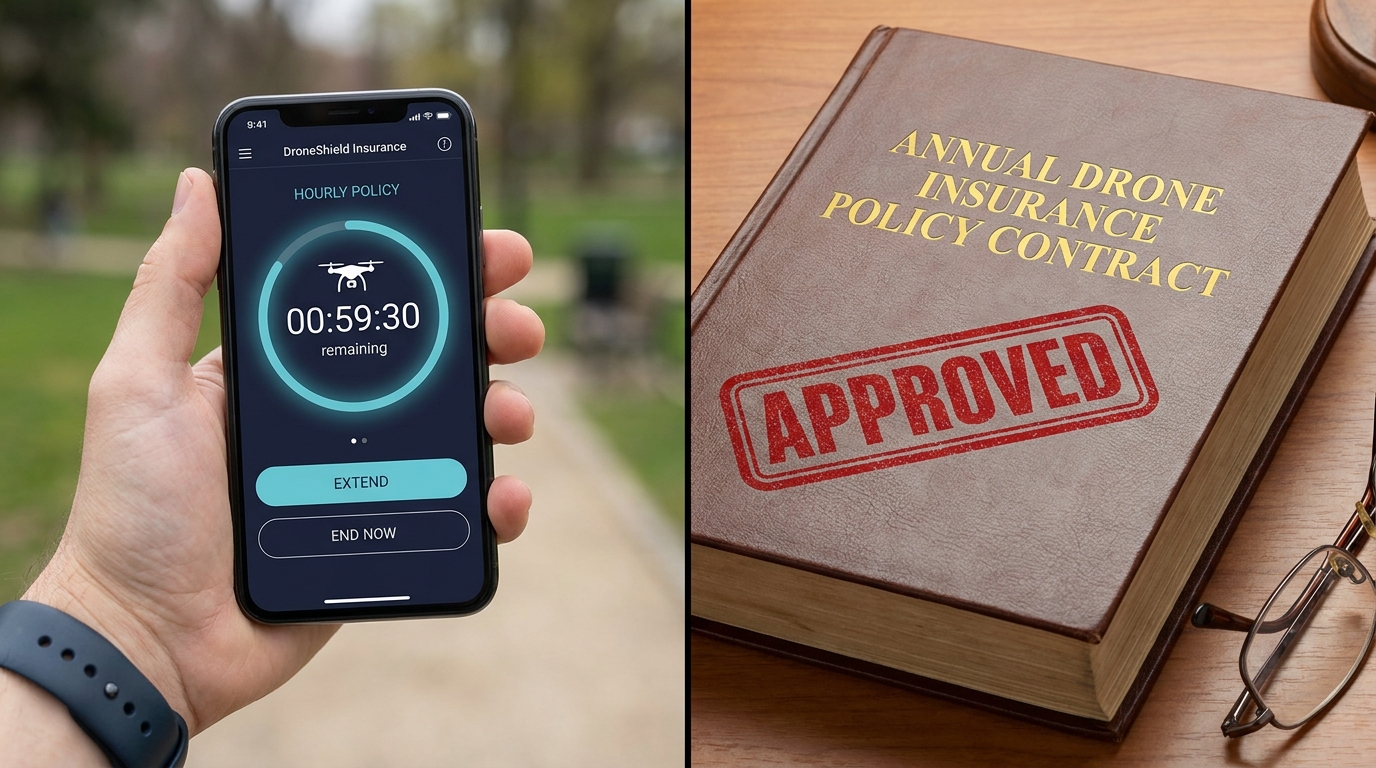
But how you buy that coverage dramatically impacts your bottom line. Today, the market is split between two distinct purchasing models: episodic, pay-as-you-go mobile applications and traditional, broker-written annual policies. Here is a comprehensive Risk Management comparison of Pay-As-You-Go vs. Annual Drone Insurance to help you determine which model yields the highest Return on Investment (ROI) for your business.
The Pay-As-You-Go Model: Hourly Drone Insurance Apps
The introduction of the hourly drone insurance app fundamentally democratized commercial UAV operations. Platforms like SkyWatch.AI and Verifly (now known under the Thimble umbrella) pioneered the “episodic” insurance model.
Through a mobile app, a freelance drone pilot coverage plan can be activated instantly. You simply draw a geofenced polygon over your flight area, select your liability limit (typically $1 million to $5 million), and pay a flat rate for a specified block of time—often starting as low as $10 an hour.
The Advantages of Hourly Insurance:
-
Zero Upfront Capital: If you are a new freelancer only booking one or two jobs a month, you do not need to sink $1,000 into an annual premium before you even have a steady cash flow.
-
Instant COI Generation: The app instantly emails you a Certificate of Insurance, allowing you to hand it to a site superintendent right on the job site.
-
Job-Specific Billing: You can easily pass the exact insurance cost of a specific flight directly to your client by adding it as a line item on their invoice.
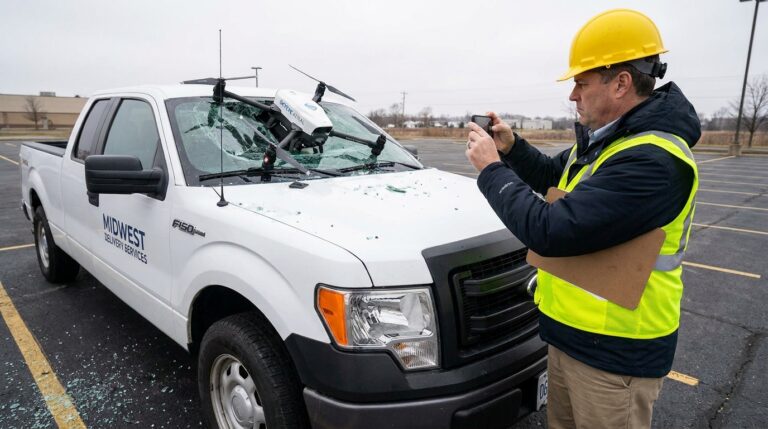
The Disadvantages of Hourly Insurance: When evaluating skywatch vs verifly and other episodic apps, B2B fleet managers must recognize the long-term limitations. Most hourly policies are strictly liability-only. If your drone crashes due to a sudden motor failure or a bird strike, your policy will pay for the car you hit, but it will pay absolutely nothing to replace your $10,000 LiDAR scanner or cinema camera. Furthermore, if you forget to activate the app before you take off, you are flying completely bare.
The Traditional Broker Model: Annual Commercial Drone Policies
As a drone operation scales from a side hustle into a full-time enterprise, episodic insurance rapidly becomes an operational liability. Professional B2B drone fleets rely on an annual commercial drone policy written through specialized aviation brokers like Global Aerospace or BWI Aviation Insurance.
Instead of opening an app before every flight, an annual policy covers your business 24/7, 365 days a year, for an unlimited number of flights. For a standard $1 million liability policy, an annual premium typically ranges from $500 to $1,000 a year.
The Advantages of Annual Policies:
-
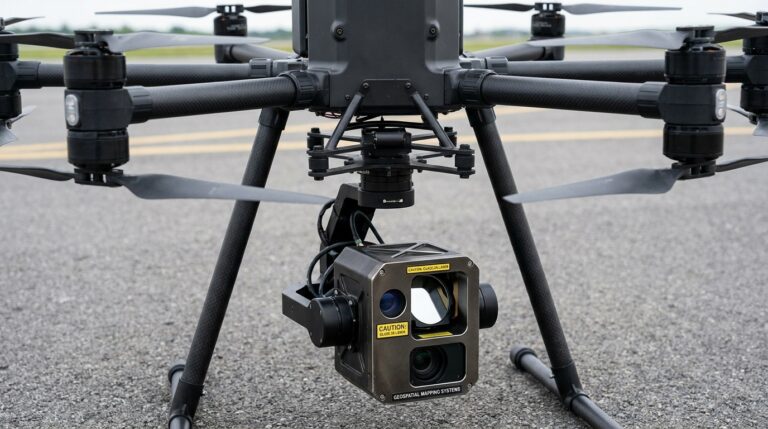
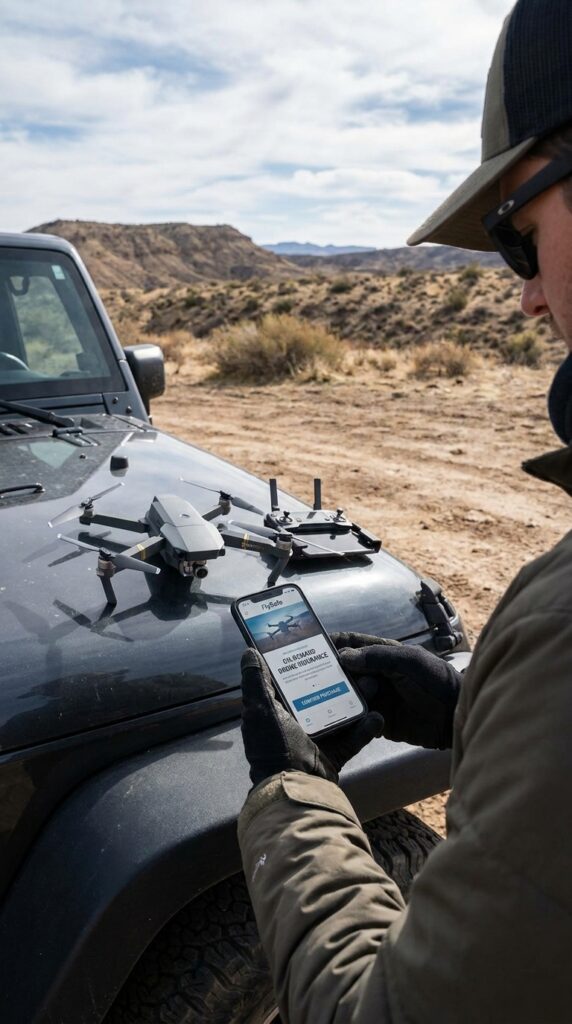
Comprehensive Hull and Payload Coverage: This is the primary reason professionals switch. Annual policies allow you to purchase “Hull Insurance” to protect the physical drone, the ground station, and ultra-expensive payloads (like RED cameras or RTK sensors) against physical damage, flyaways, and theft.
-
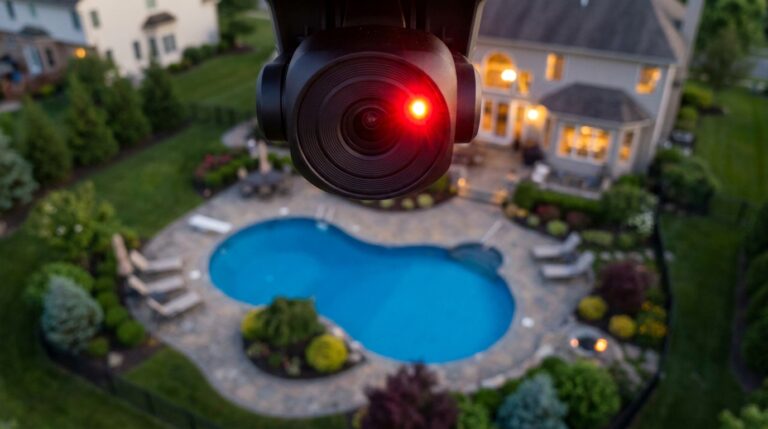
Global Coverage and Privacy Protection: Reading through bwi drone insurance reviews, seasoned pilots frequently praise traditional brokers for offering global coverage territories and higher caps on “Personal Injury” claims (which protects you against invasion of privacy and trespass lawsuits—a critical threat in aerial photography).
-
Dedicated Account Managers: When a catastrophic crash occurs on a high-stakes film set, you do not want to be dealing with an automated app chatbot. Brokers assign you a dedicated account manager to fight the underwriters on your behalf.
ROI Analysis: When Does Your Business Outgrow the App?
The decision to transition from an hourly app to a broker-written annual policy comes down to a strict mathematical break-even point and your operational risk profile.
1. The Flight Volume Threshold
Calculate your monthly flight hours. If you are paying $15 an hour on an app, and you fly for 40 hours a year, you are spending $600 annually. For that exact same $600, you could purchase an annual policy that grants you unlimited flying time. If you fly more than three or four hours a month, the hourly app is actively destroying your profit margins.
2. The Equipment Value Threshold
If you fly a basic $1,000 prosumer drone, replacing it out of pocket after a crash hurts, but it will not bankrupt your company. However, the moment your business upgrades to an enterprise-grade rig—such as a DJI Inspire 3 or a Matrice 350 RTK—your hardware exposure instantly jumps to $15,000 or more. You can no longer rely on liability-only hourly apps. The cost of annual hull insurance—which typically sits at 8% to 12% of the insured equipment’s value—becomes a mandatory, non-negotiable business expense.
3. Enterprise Contract Requirements
Major B2B clients and municipal governments are becoming increasingly sophisticated regarding risk management. Many corporate risk managers will reject episodic app-based COIs. They want to see that your business is backed by a stable, annual commercial policy that includes “Non-Owned Aircraft Liability” and specialized endorsements that an automated app simply cannot underwrite.
The Final Verdict for 2026
If you are a part-time real estate photographer booking sporadic weekend gigs, leveraging an hourly drone insurance app is a brilliant, capital-efficient way to legally protect yourself and secure a COI.
However, if you are running a full-time commercial UAV operation, flying heavy payloads, or bidding on corporate contracts, the pay-as-you-go model is financially inefficient and leaves your hardware dangerously exposed. By partnering with an established aviation broker to secure a robust annual commercial drone policy, you protect your expensive payloads, project a highly professional image to enterprise clients, and lock in the unlimited flight hours necessary to scale your business aggressively.
Financial Disclaimer: The information provided in this guide is for educational, B2B procurement, and strategic planning purposes only. It does not constitute formal financial, legal, or insurance advice. Aviation regulations and insurance underwriting requirements are subject to change. Always consult with a licensed aviation insurance broker to discuss the specific liability and physical damage coverage needs of your commercial drone operations.