What Happens When a Commercial Drone Crashes? The Liability Claims Process
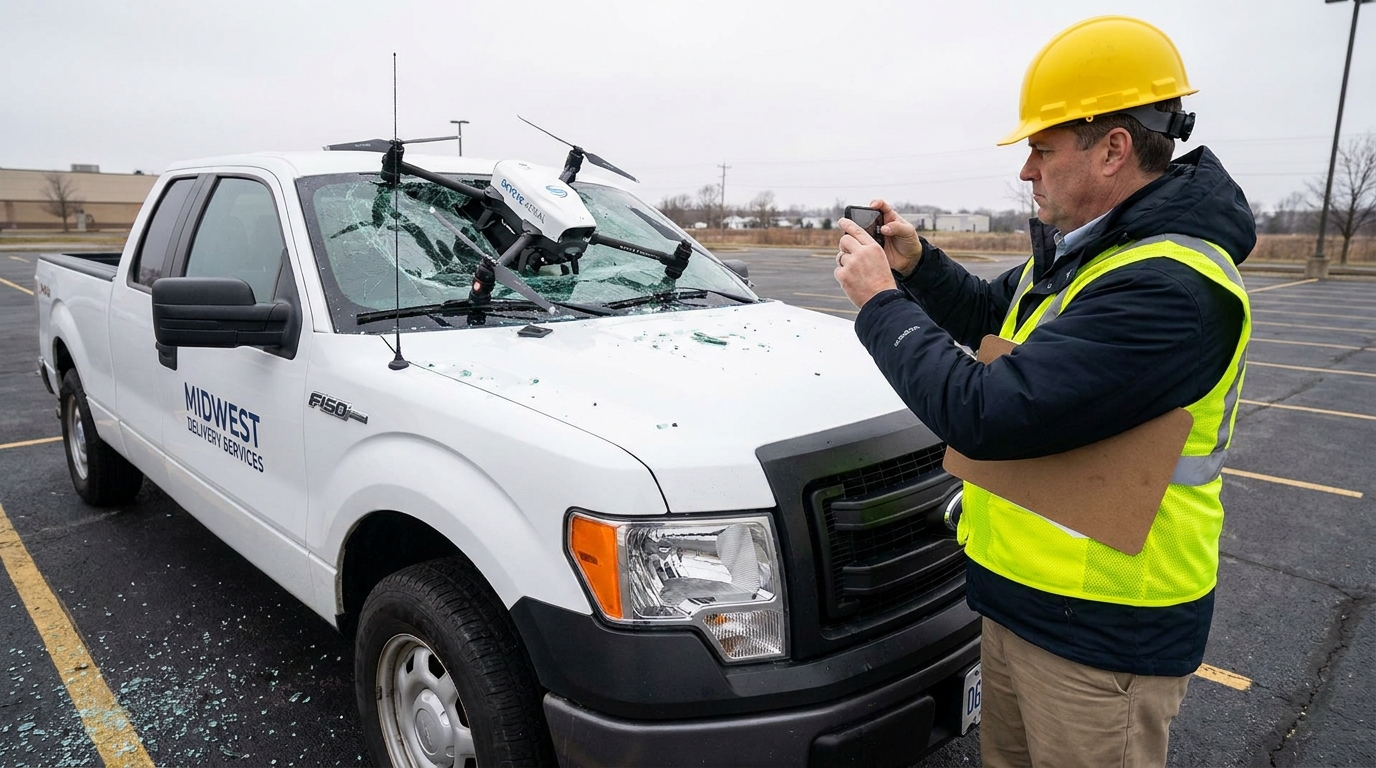
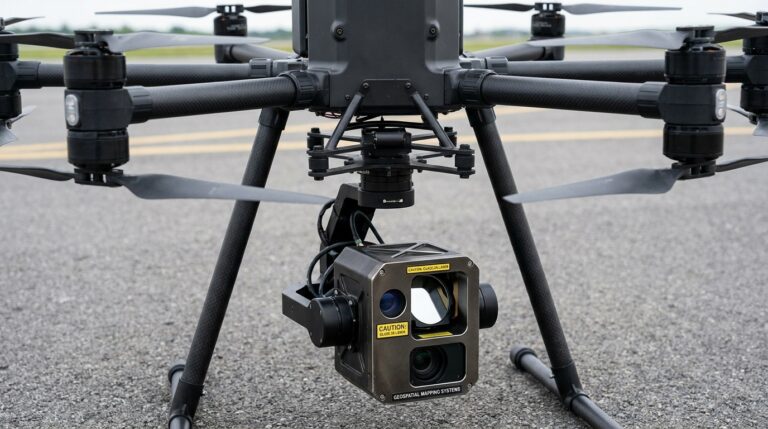
As a UAV Claims Adjuster and Incident Investigator, I am the person you hope to never meet. In 2026, commercial drones are not plastic toys; they are heavy, industrial-grade flying computers carrying massive payloads. When a motor fails, a propeller snaps, or a sudden gust of wind overwhelms your gimbal, gravity always wins.
However, the actions you take in the first fifteen minutes after a crash will dictate the trajectory of your entire financial future. Understanding commercial drone crash what to do is just as critical as your pre-flight checklist. Here is the definitive guide on navigating the liability claims process, straight from an aviation adjuster’s desk.
Immediate Field Response: Secure, Silence, and Preserve
The moment your drone impacts the ground, you become the manager of an active accident scene.
1. Secure the Scene Your first priority is human safety. If the drone strikes a person, immediately call 911. If the drone crashes into a roadway or a construction zone, secure a perimeter around the wreckage to prevent secondary accidents. Do not let bystanders touch the aircraft. Punctured lithium-polymer batteries can enter thermal runaway and explode violently minutes after the initial impact.
2. Do Not Admit Fault This is the golden rule of insurance liability. When apologizing to a frightened homeowner or an angry site superintendent, human nature compels us to say, “I messed up the controls.” Do not do this. Anything you say can be used against you in civil court. Apologize for the situation, ensure everyone is safe, and exchange contact and insurance information. Let your insurance adjuster determine legal liability.
3. Preserve the Telemetry and Wreckage Treat the crashed drone as a crime scene. Take extensive photos of the wreckage exactly where it fell. Most importantly, preserve your flight logs. Modern flight controllers record hundreds of data points per second. Do not delete the flight cache from your tablet or controller. If the crash resulted in serious injury or property damage exceeding $500, the Federal Aviation Administration (FAA) requires a formal accident report within 10 days. Deleting telemetry data is tantamount to destroying evidence.
The UAV Accident Investigation: How Adjusters Reconstruct the Crash
During a uav accident investigation, my job is to uncover the absolute truth of why the aircraft went down. I do not rely on your memory; I rely on the data.
To determine if the policy covers the incident, my team will forensically extract the drone’s black box and telemetry logs to look for three variables:
-
Environmental Factors: We check the logs for wind speed warnings. If the manufacturer’s maximum wind resistance is 25 mph, and local weather data combined with your telemetry proves you chose to fly in 40 mph gusts, that crosses into negligence.
-
Hardware Failure: We look for sudden voltage drops indicating a defective battery cell, or erratic RPM data indicating a shattered propeller. If hardware failure caused the crash, we use this data to subrogate (transfer liability) against the manufacturer.
-
Pilot Error: We map your flight path against the crash site. Did you violate Visual Line of Sight (VLOS) rules? Did you ignore low-battery warnings to get “one last shot”? Adjusters will find out.

Managing the Drone Property Damage Claim
If your drone crashes through a skylight or dents a parked vehicle, you face a standard drone property damage claim.
Once liability is established, the drone insurance payout process is initiated. We will dispatch an appraiser to evaluate the damaged car or roof. The insurance company will then issue a check directly to the third party to cover the repairs. You will be responsible for paying your policy’s deductible out of pocket. Your liability policy strictly covers the third-party property; it does not pay to replace your destroyed drone unless you purchased separate Hull Insurance.
The Nightmare Scenario: Drone Bodily Injury Liability
The most catastrophic risk in commercial aviation is a heavy-lift drone losing power and falling into a crowd.
Drone bodily injury liability claims are financially devastating. If a spinning carbon-fiber propeller strikes a bystander, the resulting medical bills, reconstructive surgeries, lost wages, and pain and suffering damages can easily exceed $500,000.
If you are sued for a bodily injury incident, your insurance carrier steps in to build a legal fortress around your business. Your liability policy includes the “Duty to Defend.” This means the insurance company will hire expert aviation defense attorneys to represent you in court. They will pay for expert witnesses, negotiate medical liens, and aggressively attempt to settle the lawsuit within your policy limits.
If a jury awards the injured party $800,000, the insurance company writes the check, shielding your personal assets and saving your business from instant bankruptcy.
Fly Protected, Crash Prepared
Accidents in the commercial drone industry are an inevitable mathematical reality. By understanding the claims process, preserving your critical telemetry data, and never flying without a robust liability policy, you ensure that your worst day on the job does not become the last day of your business.
Legal Disclaimer: The information provided in this article is for educational and informational purposes only. It does not constitute formal legal, financial, or insurance advice. Aviation regulations and insurance claims procedures are subject to change. Always consult with a licensed broker and a qualified attorney regarding specific legal, liability, and physical damage claims.